
Step one of developing an app in 2025 should be straightforward: establish your app idea and set goals. Begin by identifying what problem your app will address; this clarity will become the cornerstone of all decisions during development. Among many questions to pose to yourself before beginning is this one: "Can I do it myself?"
What problem will my app help solve?
Who is my target audience?
What key features will help my app to stand out?
Early decisions will help ensure that your app serves a clear purpose, giving something worthwhile back to users. Whether using a custom mobile app builder or another development path, having a clear purpose will guide decisions made along the way.
Now that you have your app idea, it’s time to take a deeper look at the market. Market research will help you identify existing competitors and evaluate potential opportunities.
Understand the landscape: What are other apps offering similar solutions? How can you differentiate your app?
Check for demand: Are there people actively looking for an app like yours? What is their pain point?
Use this information to refine your app’s features and ensure that it meets the specific needs of your audience. Tools like a mobile app builder can give you a head start by providing pre-made templates and customizable features, helping you quickly adapt to market demands.
User experience (UX) design is vital to user engagement and satisfaction. A great app should not only function efficiently; its interface should also be easy for its user to navigate smoothly. Here are some suggestions for designing an effective UX:
Create user personas: What are the characteristics and challenges faced by your ideal users? And what can be expected from them in terms of expectations and outcomes?
Develop intuitive flows: Consider how users will engage with your app. The easier it is for them to use, the greater their likelihood will be of sticking around.
Wireframing your app: A wireframe serves as the blueprint that shows how the various screens will come together in your application.
AI-powered mobile app builders provide user experience elements based on current trends, making it easier to ensure that your app is user-friendly from day one.
With your design complete, the next step in developing your app should be selecting its development approach. This decision depends on your goals and budget; both are equally important!
Native app development: If your goal is top-tier performance and requires separate versions for iOS and Android platforms, native development could be your solution.
Cross-platform app development: With frameworks like React Native or Flutter, it is now possible to develop apps for both iOS and Android platforms from within a single app.
Mobile app builders: These platforms enable users to develop apps quickly with pre-designed templates and features, streamlining the development process for an efficient experience at reduced cost and quicker deployment.
Approving AI-powered mobile app builders can accelerate development while providing intelligent features based on user behavior patterns for an edge in competition.
The next step should be planning your app's technical architecture. This should cover:
Back-end infrastructure: Will the app store data or process requests/responses efficiently? Consider cloud solutions for greater scalability.
Integrations from third parties: Consider adding social logins, payment gateways, or analytics tools.
Security: Protect user data and ensure compliance with regulations.
Custom mobile app builders often come equipped with secure backend solutions that make this step simpler for you.
After creating your app, it's time to add features that make it useful:
User profiles
Push notifications
Payment Processing
Social Sharing
Custom app builders often provide these features out of the box.
Stay consistent with colors, fonts, and layout.
Clear navigation
Responsive design across devices
AI-powered builders provide UI templates so you can focus on functionality.
User profiles
Push notifications
Payment processing
Social sharing
Functional testing
Usability testing
Performance testing
Security testing
Clear app title & description
Screenshots & app icon
Privacy policy
Promote via social media, influencers & ads.
Offer incentives.
Maintain customer reviews.
User retention
Engagement
App crashes
Fix bugs.
Add features.
Improve UI/UX.
Infrastructure upgrades
Feature expansion
Localization
Building your own app in 2025 can be an exhilarating journey, made more manageable with the right tools and guidance. From custom mobile app builders to AI-driven app creators, following these steps will help you design an app that meets user needs while standing out from competitors.
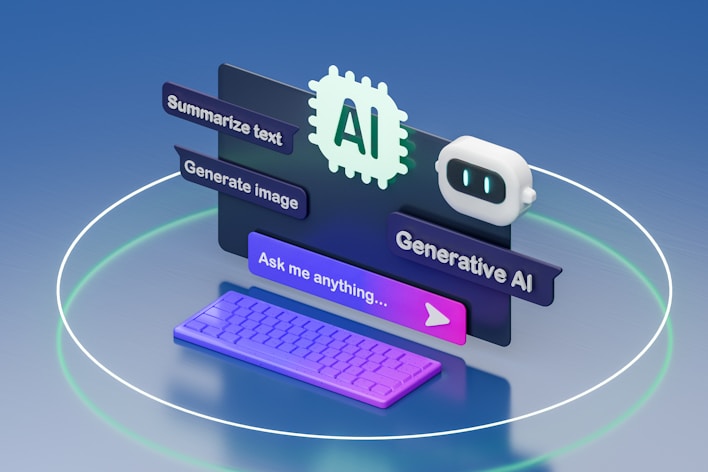
Turn your ideas into fully functional apps using intelligent automation. Design, build, and launch, all in one seamless workflow.
Build Your App Today!